
Apr 22 ,2020. 1 hour ago – 20:32 KYODO NEWS
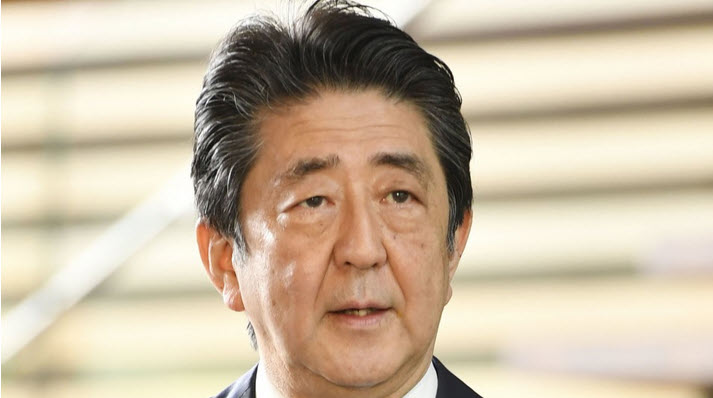
TOKYO – Japan is facing its “most critical time” if the state of emergency imposed over the coronavirus epidemic is to be lifted as soon as possible, Prime Minister Shinzo Abe said Wednesday as he called for a further reduction in person-to-person contact.
Abe stressed the need for people to refrain from going to their hometowns to see their parents and family members during the Golden Week holidays from late April to early May and recommended virtual family reunions online instead.
“To bring an end to this state of emergency as soon as possible, now is the most critical time for us,” Abe said at a meeting of a government task force on the coronavirus response.
“I’d like to ask the people of Japan to take a fresh look at their behavior and cooperate in attaining the 80 percent cut (in person-to-person contact),” Abe said.
Two weeks have passed since Abe declared a state of emergency for Tokyo, Osaka and five other prefectures. He then expanded it to the entire nation on April 16 while pledging to launch a 100,000 yen ($930) cash handout scheme for all citizens.
Under the state of emergency that has allowed prefectural governors to take more powerful steps to prevent the spread of COVID-19, residents have been asked to refrain from nonessential outings and stay at home. The declaration has also led to business suspensions.
Abe has been calling for an up to 80 percent reduction in person-to-person contact and a 70 percent cut in commuting by shifting more to teleworking.
People’s movements have decreased by over 60 percent on weekdays and over 70 percent on weekends in urban areas when compared with the time before the spread of the virus in Japan, according to Abe.
Last week’s expansion of the state of emergency until May 6 was intended to prevent people from moving freely across prefectures and spreading infection. Without the spread of the virus, many Japanese would have returned to their hometowns and taken trips during the upcoming holiday.
Holiday travelers may not be the only ones who could spread the virus as reports have emerged of an increasing number of people crossing prefectural borders for different reasons, such as going to pachinko parlors that remain open in some places despite business suspension requests by local governors.
Abe is expected to seek expert opinions around April 30 about the infection situation to determine whether the state of emergency should be extended, government sources said.
CR: KYODO NEWS
 apecthai.com