
Mar 05 , 2020. 4 hours ago – 14:35 | KYODO NEWS
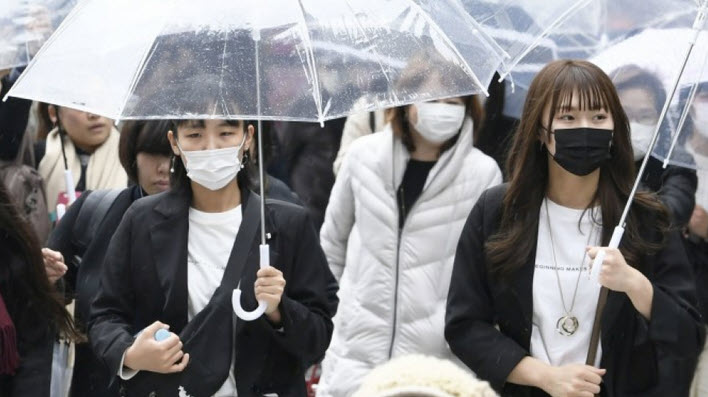
TOKYO – The ruling and opposition parties agreed Thursday to vote on temporary legislation on March 12 that will enable the government to declare a state of emergency if necessary as Prime Minister Shinzo Abe battles with criticism about his slow response to the coronavirus outbreak.
The passage of a bill to revise the existing law on new influenza is likely as the lower house is controlled by the ruling bloc of the Liberal Democratic Party and Komeito. The coalition plans to have it approved by the upper house on March 13.
In a rare call for cooperation across party lines, Abe met separately on Wednesday with opposition party leaders who had criticized his government for failing to curtail the spread of COVID-19, a respiratory disease caused by the new coronavirus, sooner and better.
The government plans to make the envisaged law effective for two years from February this year, when Japan designated COVID-19 as an infectious disease.
The bill is expected to be submitted to parliament after the Cabinet approves it on Tuesday, when it also plans to draw up another emergency package to mitigate the negative economic impact from the virus that originated in Wuhan, central China.
If a state of emergency is declared according to the temporary law, prefectural governors can demand that residents stay indoors, call for school closures and limit the use of facilities in which large numbers of people gather.
The government will also be authorized to mandate that medicine and other necessary goods be sold at lower prices or handed over.
The agreement on the voting schedule in the House of Representatives was reached at a meeting between the LDP’s Diet affairs chief Hiroshi Moriyama and his counterpart in the Constitutional Democratic Party of Japan Jun Azumi.
“Irrespective of whether we will agree (on the bill) or not, we will not prevent swift deliberations because time is pressing,” Azumi told reporters.
The opposition has dismissed Abe’s insistence that a law revision is needed to cope with the pneumonia-causing new coronavirus. Some opposition party lawmakers say the government should have acted earlier if the current law cannot be applied as is.
The total number of infections topped 1,000 on Wednesday, raising the hurdle for Japan to prevent an increase in cases in the next two weeks or so — a period seen by the government as critical. The tally includes over 700 people who were aboard the Diamond Princess cruise ship that was quarantined near Tokyo in February.
Abe has said the bill is to prepare for the “worst case scenario,” indicating that he will not necessarily declare a state of emergency immediately after it clears both houses of parliament.
As the revised law will limit individual rights, he promised to consult with the opposition beforehand and be careful in deciding which areas to be targeted and for how long.
“We are not in a situation that infections have spread across the country,” Chief Cabinet Secretary Yoshihide Suga said at a press conference, though small groups or clusters have emerged in various parts.
As of Wednesday, the virus has spread to 28 of the country’s 47 prefectures with the death toll at 12.
CR: KYODO NEWS
 apecthai.com